


Tailored Cosmetic Dentistry In Prahran
Cosmetic Dentistry,
One Smile At A Time
At The Dental Co., we are dedicated to providing you with a high-standard level of dental care. Our team is committed to delivering comprehensive and personalised treatments to help you achieve a healthy smile.
With a focus on advanced techniques and state-of-the-art technology, we bring you a range of advanced dental treatments that cater to your needs.
Our Cosmetic Dentistry Services
comfortable and successful.
Teeth Whitening
Brighten your smile with our professional teeth whitening service. We offer safe and planned progress.

Porcelain Veneers
Transform your smile with porcelain veneers designed to address imperfections and create an improved appearance.
Dental Crowns
Protect and restore your teeth with custom dental crowns, providing strength and a natural look.

Digital Smile Design
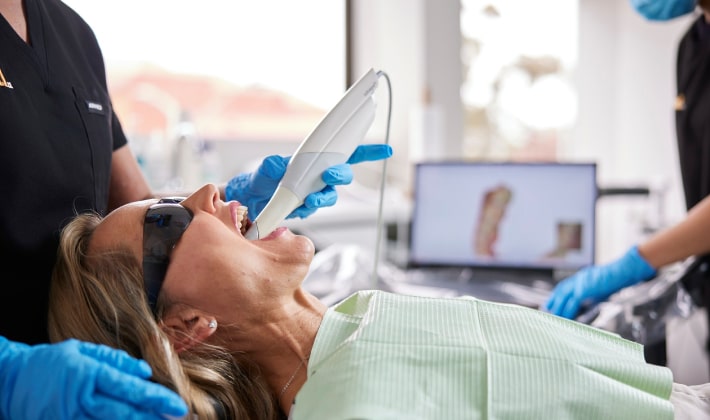
Plan cosmetic treatment with your dentist using photos, scans and software.
Payment Options
Which cosmetic treatment may suit your concern?
| Your concern | Treatments that may help | Is tooth removed? |
|---|---|---|
| Stained or discoloured teeth | Teeth whitening; veneers or crowns if whitening cannot change the colour | No for whitening; yes for veneers and crowns |
| Chipped or worn edges | Composite bonding, porcelain veneers or crowns | Little or none for bonding; yes for veneers and crowns |
| Small gaps between teeth | Clear aligners, bonding or veneers | Usually no for aligners, though some plans remove a very thin layer between teeth; yes for veneers |
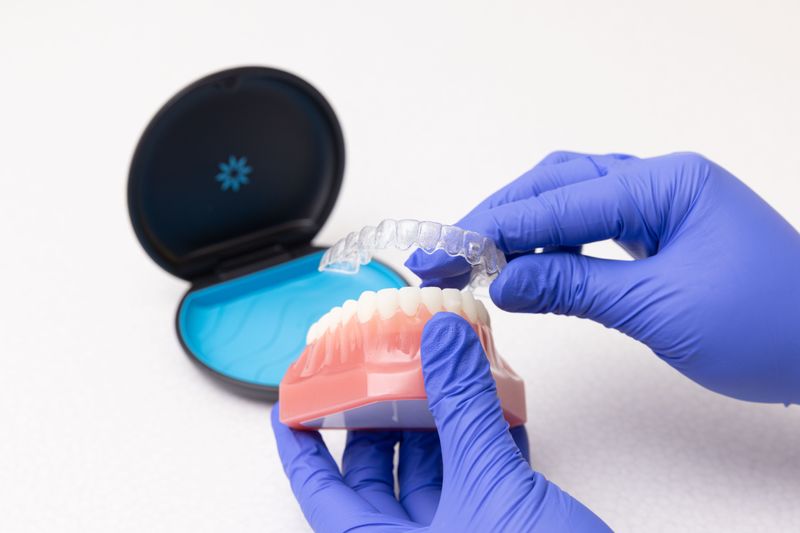
| Crooked or crowded teeth | Clear aligners such as Invisalign, usually first | Usually no. Some plans remove a very thin layer of enamel from between teeth to make space |
| Several concerns at once | A smile makeover that combines treatments | Depends on the plan |
| Missing teeth | Dental implants, bridges or dentures | Implants need surgery; bridges need the teeth either side reshaped |
Your dentist recommends treatment after examining your teeth, gums and bite, and explains the options that remove the least tooth first.
What is a smile makeover?
A smile makeover is a plan that combines two or more treatments, such as whitening, aligners, veneers and crowns, to change how your teeth look. Your dentist plans the order of treatment so that each step works with the next. Read more about smile makeovers and how digital smile design is used to plan them.

Why are your teeth and gums checked first?
Cosmetic treatment needs a healthy mouth. Before any cosmetic work, your dentist checks for decay, gum disease and bite problems and treats them first. Veneers or crowns placed over untreated problems can fail early, and some cosmetic treatments cannot be reversed. If you have not had a check-up recently, start with a check-up and clean.
Which cosmetic treatments can be reversed?
- Leave the tooth surface in place: teeth whitening, and usually clear aligners. Some aligner plans remove a very thin layer of enamel from between teeth to make space. Composite bonding usually removes little or no tooth and can often be polished off or repaired.
- Remove part of the tooth and cannot be reversed: porcelain veneers, which need a thin layer of enamel removed, and crowns, which need more of the tooth reshaped. Those teeth will always need a covering.
Costs, Medicare and health funds
The cost of cosmetic treatment depends on the treatment, the number of teeth treated, laboratory work and any treatment needed first. Your dentist explains the total before treatment begins.
Medicare does not pay for most dental services, and cosmetic procedures are not covered by Medicare. Private health insurance may help with some costs, depending on your fund and level of cover, so check with your fund before you start.
We accept private health funds and other payment methods. See our payment options for the full list, and check the total cost, fees and terms before you start treatment.
Risks and realistic expectations
- Teeth can be sensitive to hot and cold for a short time after whitening or after they are prepared for veneers or crowns.
- Porcelain and composite can chip, stain at the edges or come loose, and need repair or replacement over time.
- Whitening does not change the colour of fillings, veneers or crowns.
- Teeth straightened with aligners can move back if retainers are not worn as advised.
Results vary from person to person, and your dentist will explain the risks, alternatives and likely outcome for your teeth before you decide.
FAQ
How is cosmetic dentistry different from general dentistry?
Cosmetic dentistry and general dentistry serve different purposes, though they often overlap in practice. While general dentistry focuses on maintaining oral health, cosmetic dentistry is more concerned with improving the appearance of your smile.
| Aspect | Cosmetic Dentistry | General Dentistry |
| Primary Purpose | Improving the appearance of teeth and smile | Maintaining and improving oral health |
| Focus on Aesthetics | Enhances the look of teeth, gums, and overall smile; includes procedures like teeth whitening, veneers, and smile makeovers | Aesthetic benefits are secondary; focus on health-related issues like tooth decay and gum disease |
| Health and Functionality | It can also improve function but is primarily focused on aesthetics | Prioritises health and functionality, addressing issues like cavities and gum disease and performing routine cleanings |
| Overlap | Often overlaps with general dentistry when treatments address both aesthetic and functional aspects | It can overlap with cosmetic dentistry when treatments like fillings or crowns also improve appearance |
Understanding the differences between cosmetic and general dentistry can help you decide about your dental care. Both types of dentistry are essential, and often, they work together to achieve the planned progress for your oral health and appearance.
Are there any risks or side effects associated with cosmetic dentistry procedures?
Cosmetic dental procedures, like any medical treatment, have potential risks and side effects. Understanding these can help you make a decision about pursuing cosmetic dental treatments.
- Temporary Sensitivity:
After procedures like teeth whitening or veneers, it’s common to experience temporary tooth sensitivity. This usually subsides within one to three days, but it’s something to be aware of before treatment. - Gum Irritation:
Some cosmetic procedures, such as whitening or bonding, may cause mild gum irritation. This irritation is usually temporary and can be managed with proper care and follow-up visits. - Infection Risk:
As with any dental procedure, there is a small risk of infection, particularly with more invasive treatments like implants. Maintaining good oral hygiene and following your dentist’s post-procedure instructions can minimise this risk. - Unexpected Results:
While rare, there is a possibility that the final results may not meet your expectations. It’s important to have a detailed consultation and possibly discuss the treatment plan using tools like digital smile design.
By being aware of these risks and side effects, you can approach cosmetic dentistry with a clear understanding of what to expect. Always discuss potential risks with your dentist to determine that the cosmetic dentistry benefits outweigh any concerns for your specific situation.
How much does cosmetic dentistry cost?
The cost of cosmetic dentistry varies widely depending on the type of treatment, the complexity of the procedure, and the materials used. Here is a list of the estimated costs of procedures to help you budget for your desired smile enhancements.
- Teeth Whitening:
Professional teeth whitening is a more affordable option. It generally costs around $600 to $1000 per session, depending on the method and number of sessions required. - Porcelain Veneers and Crowns:
Porcelain veneers usually cost up to $2,036 for each tooth, while dental crowns range from $1600 to $2000 per tooth. The total cost depends on the number of teeth involved in the treatment. - Aligners and Orthodontics:
Clear aligners and traditional braces usually range from $5,000 to $9,000. The total cost depends on the length of treatment and the severity of the alignment issues. - Dental Implants:
The cost of a single dental implant can range from $4,000 to $5,000 per tooth, depending on the complexity of the case. All-on-4 and full-arch implants are more comprehensive treatments, often costing between \$21,000 and \$38,000 per arch. - Full Mouth Rehabilitation:
involves multiple procedures to restore and enhance the entire mouth, and costs vary significantly based on the required treatments. - Smile Makeovers:
A smile makeover can involve a combination of treatments, such as veneers, whitening, and orthodontics. Costs can vary widely, going up depending on the number and type of procedures. - Digital Smile Design:
This advanced planning tool often comes as part of a larger treatment package. Its cost is usually integrated into the overall price of the procedures selected. The use of digital smile design allows for precise and predictable results, adding value to the treatment.
Understanding the costs associated with cosmetic dentistry can help you plan your budget and prioritise the treatments that meet your needs. It’s always advisable to discuss your options with your dentist to get a clear estimate. Base this estimate on your specific goals and circumstances while also considering the cosmetic dentistry benefits each option provides.
Will my health funds cover cosmetic dentistry procedures?
Health fund assistance for cosmetic dentistry procedures can be complex. It often depends on the nature of the procedure and your specific health plan. While some cosmetic treatments might be partially shouldered, others may not be eligible for reimbursement.
We accept private health funds and other payment methods. See our payment options for the full list, and check the total cost, fees and terms before you start treatment.
What should I expect during a cosmetic dentistry consultation?
A cosmetic dentistry consultation is your opportunity to explore treatment options and discuss your goals with your dentist. The process is designed so that you can receive personalised care tailored to your specific needs.
- Initial Discussion:
We understand that your first dental appointment can be daunting, so we are here to make your visit as comfortable and stress-free as possible. During your first appointment, our team will take the time to get to know you and your dental health history. - Oral Examination:
If you’re new, our one hour New Patient Experience will include a thorough assessment of your teeth, gums, and mouth. We utilise the latest technology, including digital X-rays, photos, and 3D scans, to provide you with an accurate diagnosis and personalised treatment plan. - Treatment Plan:
Our experienced team will discuss any concerns or questions you may have. We will work with you to develop a customised treatment plan based on your unique needs and goals. We believe in empowering our patients with the knowledge and tools they need to achieve and maintain optimal oral health. - Digital Imaging and Design:
Some clinics offer digital smile design, which allows you to plan your cosmetic procedures with your dentist. This step can help you make decisions about your treatment plan. - Cost and Planning:
During the consultation, our experienced team will discuss your dental needs and treatment plan, provide a cost estimate, and explain the payment methods we accept.
By the end of your consultation, you should clearly understand your treatment options and the associated costs. You will also know what to expect throughout the entire process. This is an essential first step towards achieving the smile you’ve always wanted.
How long does it take to complete cosmetic dentistry treatments?
The time required to complete cosmetic dentistry treatments differs depending on the specific procedures involved and the complexity of your case. Some procedures can be done in a single visit, while others may take several months.
- Teeth Whitening:
Professional teeth whitening is one of the quickest procedures, often completed in a single session lasting about an hour. For at-home teeth whitening treatments provided by your dentist, it may take a few weeks to achieve the desired results. - Porcelain Veneers:
Getting porcelain veneers usually requires two to three visits over a few weeks. During the first visit, your teeth are prepared, and impressions are taken. The veneers are then custom-made and placed during the next appointment. - Dental Crowns:
Like veneers, dental crowns usually require two visits. The first dental visit involves preparing the tooth and taking an impression, while the second visit is for fitting and placing the crown. This process generally takes about two weeks. - Orthodontics (Aligners and Braces):
Orthodontic treatments, such as clear aligners or braces, take longer, usually ranging from several months to a couple of years. The duration depends on the severity of the alignment issues and the type of orthodontic appliance used. - Dental implants and full arch implants:
These treatments require multiple stages, including healing time after implant placement. The entire process can take anywhere from three to six months, depending on your healing and the complexity of the case. - Smile Makeovers:
A comprehensive smile makeover might involve multiple procedures like veneers, crowns, and teeth whitening, extending the treatment time to several months. The timeline will depend on the number and type of procedures involved.
The timeline for cosmetic dentistry varies significantly based on the treatment plan. Your dentist will provide a more detailed timeline during your consultation so you know what to expect at each stage of the process.
What dental problems can cosmetic dentistry help address?
Cosmetic dentistry aims to enhance the look of your teeth and smile. It can also address a variety of underlying dental problems. Some cosmetic procedures can also improve how your teeth function.
- Discoloured Teeth:
Teeth whitening and veneers can effectively address stains and discolouration caused by ageing, diet, or smoking. These treatments help restore a bright, white smile. - Chipped or Cracked Teeth:
Veneers, dental bonding, and crowns can address chips or cracks, protecting the tooth and restoring its appearance. These procedures also prevent further damage. - Misaligned or Crooked Teeth:
Orthodontic treatments, including clear aligners and braces, can straighten misaligned or crooked teeth. This not only improves the look of your smile but also makes it easier to maintain oral hygiene. - Gaps Between Teeth:
Veneers or orthodontic treatments can close gaps between teeth, creating a more uniform and attractive smile. Depending on the size of the gaps, your dentist will recommend the right treatment approach. - Worn or Short Teeth:
Teeth that are worn down as a result of grinding or other factors can be restored or reshaped with veneers or crowns. These restorations create a more balanced and natural appearance. - Missing Teeth:
Dental implants, bridges, and dentures can replace missing teeth, improving both the function and appearance of your smile. These treatments help restore your ability to chew and speak properly. - Uneven or Irregularly Shaped Teeth:
Veneers, bonding, or contouring can reshape teeth that are uneven or irregular, providing a more harmonious and symmetrical smile.
Cosmetic dentistry offers a range of treatments tailored to address these and other dental concerns. By consulting with your dentist, you can determine the most appropriate treatments to achieve the smile you desire.
How do I choose the right cosmetic dentistry procedure for my needs?
Choosing the right cosmetic dentistry procedure involves understanding your specific dental concerns, goals, and the options available to address them. It’s important to make a decision that aligns with your desired outcomes and overall oral health.
- Identify Your Goals:
Start by considering what you want to achieve. Whether it’s whitening your teeth, addressing misalignment, or restoring damaged teeth, clearly defining your goals will help guide your choices. - Consult with a Dentist:
A professional consultation is essential in determining the most suitable dental procedure. Your dentist will evaluate your oral health, discuss your concerns, and recommend treatments based on your unique situation. - Consider the Treatment Options:
Learn about the different cosmetic procedures available, such as veneers, teeth whitening, dental implants, and orthodontics. Understand how each option works, the cosmetic dentistry benefits, and what you can expect during and after treatment. - Assess the Complexity and Time Commitment:
Some procedures, like teeth whitening, are quick and straightforward, while others, like full mouth rehabilitation, require more time and multiple visits. Consider how much time you’re willing to commit to the process. - Evaluate the Costs:
Budget is a significant factor in choosing a cosmetic procedure. Discuss the costs with your dentist, including any payment plans available, to confirm the treatment fits within your financial plan. - Review Before-and-After Examples:
Seeing results from previous patients can help you set reasonable expectations and choose a procedure that aligns with your vision. Many clinics offer galleries of their work for this purpose.
Making the right choice involves balancing your aesthetic desires with practical considerations like cost, time, and long-term oral health. By working closely with your dentist, you can select the cosmetic dentistry procedure that suits your needs and goals.
How do I maintain the results of my cosmetic dentistry treatment?
Sustaining the results of your cosmetic dentistry treatment is crucial to preserving your enhanced smile and maintaining long-term satisfaction. With proper care and attention, you can keep your teeth looking great and functioning well for years to come.
- Practice Good Oral Hygiene:
To have your teeth looking and feeling good, you must brush and floss on a regular basis. Use a non-abrasive toothpaste to protect the surfaces of your restorations, like veneers and crowns, and consider using a fluoride rinse to strengthen your teeth. - Attend Regular Dental Check-Ups:
Schedule routine check-ups with your dentist to monitor the condition of your cosmetic work. Professional cleanings and examinations can help catch any issues early and keep your smile in shape. - Avoid Staining Foods and Drinks:
Avoid foods and drinks, including coffee, tea, red wine, and berries, that can discolour your teeth. If you indulge in them, rinse your mouth with water afterwards to minimise staining. - Protect Your Teeth from Damage:
If you have veneers, crowns, or other restorations, avoid using your teeth to open boxes or bite down on hard objects like ice. Wearing a mouthguard during sports or if you grind your teeth at night can also prevent damage. - Consider Touch-Up Treatments:
Some cosmetic treatments, like teeth whitening, may need touch-ups to maintain their brightness over time. Discuss maintenance options with your dentist, such as periodic whitening sessions or replacing ageing restorations.
By following these steps, you can prolong the life and beauty of your treatment results. Regular care and vigilance will help you enjoy your improved smile for many years.
How often do I need to visit the dentist after undergoing cosmetic dentistry?
After undergoing cosmetic dentistry treatment, it’s important to maintain regular dental visits to maintain and prolong the longevity of treatment results. The frequency of these visits can vary. It will depend on the kind of procedure you receive and your overall oral health.
- Routine Check-Ups:
For most patients, a dental check-up every six months is recommended. These visits allow your dental clinician to monitor the condition of your cosmetic work and clean your teeth. They also help address any potential issues before they become significant problems. - Specific Follow-Ups:
Depending on the procedure, your dentist might suggest more frequent follow-ups initially. For example, after getting dental implants or veneers, your dentist may want you to visit again a few weeks later. This follow-up visit allows the dentist to check if everything is healing and settling properly. - Ongoing Maintenance:
Treatments like teeth whitening or orthodontics may require periodic maintenance visits. For whitening, this might mean touch-up sessions once a year. For orthodontics, you might have more frequent visits during active treatment with aligners or braces. - Personalised Recommendations:
Your dentist may adjust the frequency of visits based on your needs. If you have a history of gum disease, frequent staining, or other dental issues, more regular visits may be advised.
Staying consistent with your dental visits after cosmetic procedures is key to maintaining both your oral health and aesthetic results. Your dentist will provide a personalised schedule to help your smile remain beautiful and healthy over time.
Is cosmetic dentistry covered by Medicare?
No. Medicare does not pay for most dental services, and cosmetic procedures are not covered by Medicare. Private health insurance may pay a benefit for some items, depending on your fund and level of cover. Check with your fund before you start treatment.
What is the least invasive way to improve how my teeth look?
Teeth whitening leaves the tooth surface in place. Clear aligners usually do too, although some aligner plans remove a very thin layer of enamel from between teeth to make space. Composite bonding removes little or no tooth. Porcelain veneers and crowns remove more tooth and cannot be reversed. Your dentist can tell you whether a less invasive option could meet your goal before you consider veneers or crowns.
Can cosmetic dental treatment be reversed?
Some of it can. Whitening fades and bonding can often be removed. Aligners move teeth without reshaping their fronts, although some aligner plans remove a very thin layer of enamel from between teeth, which cannot be put back. Porcelain veneers and crowns cannot be reversed, because part of the tooth is removed and the tooth will always need a covering. Ask your dentist which parts of your plan are reversible.
Is cosmetic dentistry a dental specialty?
No. The Dental Board of Australia recognises 13 dental specialties, and cosmetic dentistry is not one of them. A dentist without specialist registration cannot be called a cosmetic specialist. At The Dental Co., cosmetic treatments such as whitening, veneers and crowns are provided by general dentists.
Do I need a smile makeover or just one treatment?
It depends on what you want to change. One concern, such as stained teeth, may need only whitening. Several concerns, such as crowding, colour and chipped teeth together, may suit a smile makeover that combines treatments in a planned order. Your dentist explains both options at your consultation.
Explore cosmetic treatments
Smile makeoversTwo or more cosmetic treatments planned together

Porcelain veneersThin porcelain shells bonded to the front of the teeth
Digital smile designPhotos, scans and software used to plan treatment

Teeth whiteningIn-chair and take-home whitening
Dental crownsA cap that covers and protects a damaged tooth
InvisalignClear aligners that straighten teeth
Sources
- Services Australia, Get health care: what Medicare doesn't cover (page updated 15 October 2025, accessed 20 October 2026)
- Ahpra and National Boards, Guidelines for registered health practitioners who perform non-surgical cosmetic procedures (2 September 2025)
- Dental Board of Australia, Specialist registration (13 recognised dental specialties)

Book Your Appointment Today
Experience exceptional dental care from your trusted dentist in Windsor. Whether you need routine check-ups, advanced restorative work, or cosmetic treatments, our dedicated team is here to provide comprehensive and personalised dental services. Contact us now to schedule your consultation and take the first step towards a healthier, brighter smile.