

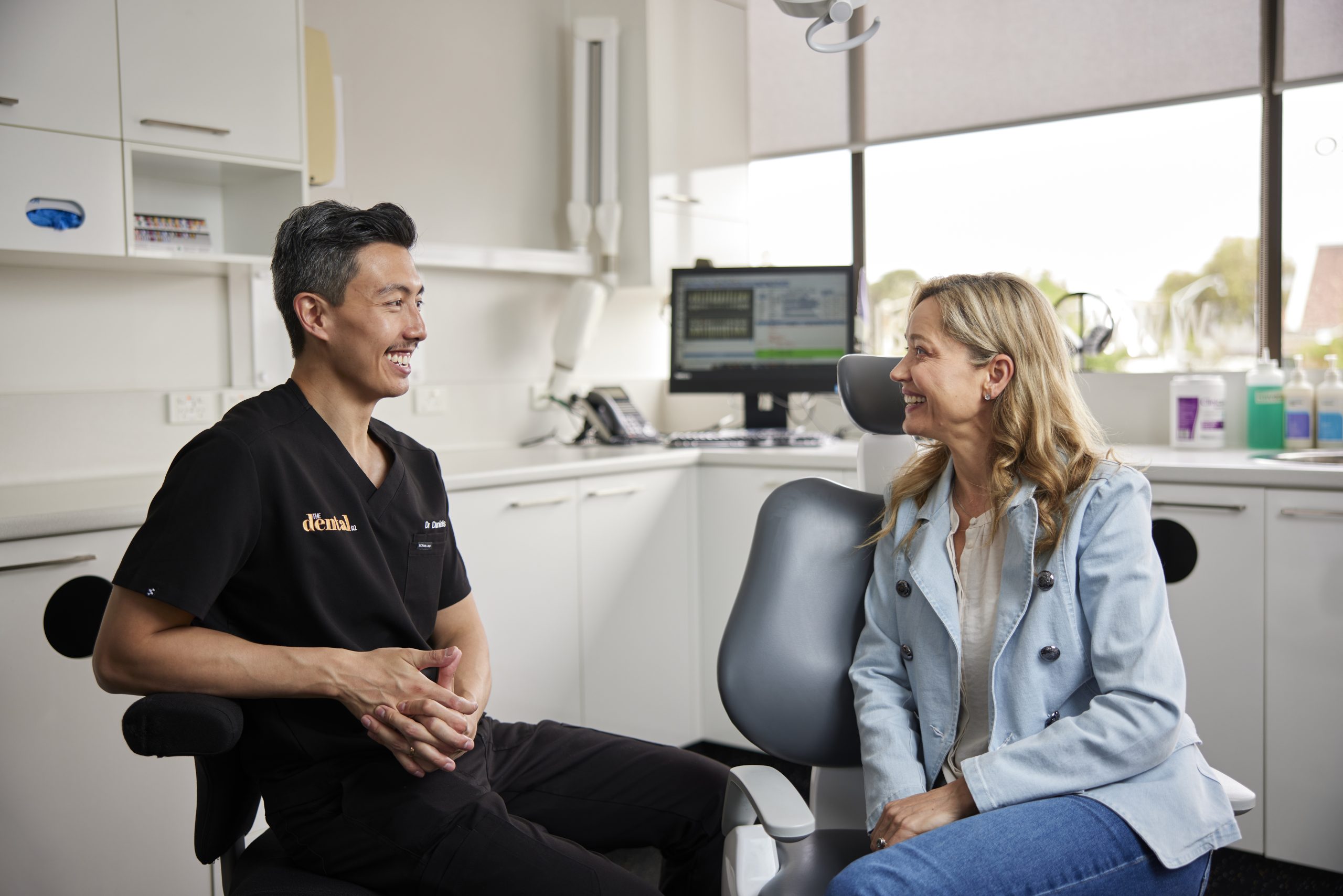
What is digital smile design, and what is it not?
Digital smile design is a way of planning cosmetic dental treatment. Your dentist uses photos, video, scans and software to study your face, lips, teeth and gums, and to plan changes to the shape, length and position of your teeth with you.
It is a plan, not a promise. Software images are simulations: they help you and your dentist agree on goals, but your final result depends on your teeth, gums, bite and the treatments you choose.
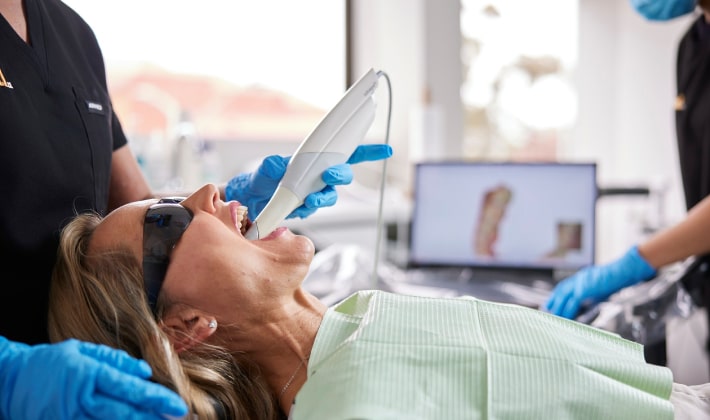
How does digital smile design plan treatment?
- Records. Your dentist takes photos and video of your face and smile, and scans or impressions of your teeth. This first appointment usually takes 1 to 2 hours.
- Analysis. The photos and scans are used to measure tooth proportions, the smile line and how the teeth relate to your lips and face.
- A proposed plan. Software is used to design possible changes to tooth shape, length and position. This design phase can take up to 3 weeks, depending on the adjustments needed.
- Review and changes. You and your dentist go through the plan together and adjust it.
- Treatment. The agreed plan guides each treatment, for example aligners first, then whitening, then veneers or crowns.
The whole planning process usually takes 3 to 4 weeks. When the plan combines several treatments, it becomes a smile makeover.
What do you decide at the planning consultation?
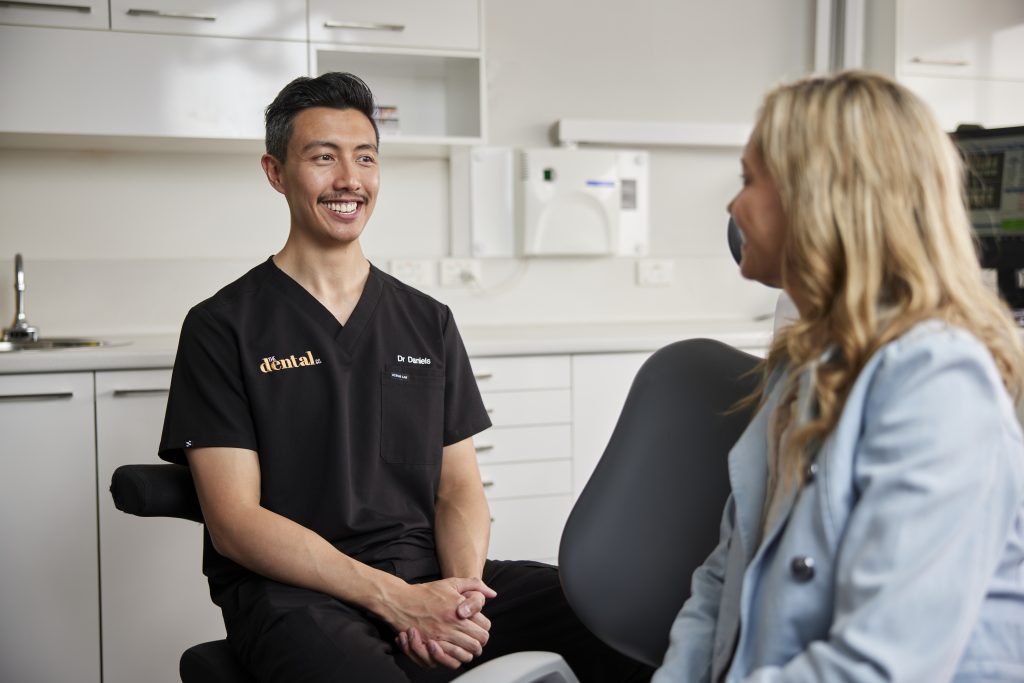
At the planning consultation you and your dentist agree:
- which treatments could reach your goals, and which ones you prefer;
- the order of treatment;
- how much tooth each option removes, and which options cannot be reversed;
- the risks and the alternatives, including doing nothing;
- the timeline and the costs.
You can take time to decide. Treatment usually starts at a later visit, after you have had time to consider the plan.
Which treatments can a digital smile design plan guide?
- Porcelain veneers, to change the shape, size or colour of the front teeth.
- Dental crowns, for broken, worn or heavily filled teeth.
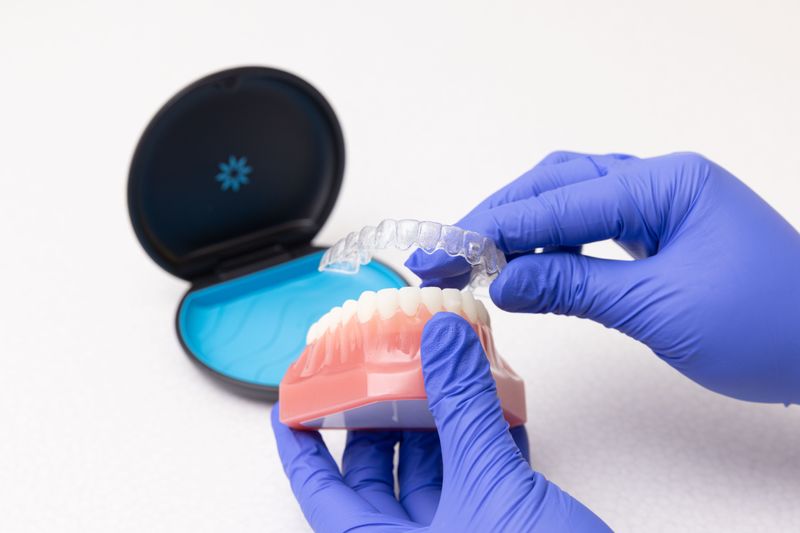
- Invisalign and other clear aligners, to move teeth before any other work.
- Teeth whitening, usually done before veneers or crowns so their shade can be matched.
What are the limits of digital smile design?
- Software images are simulations. Real teeth, gums and porcelain do not always match a screen image exactly.
- The colour of porcelain is chosen in the clinic, and it can look different in daylight, photos and on a screen.
- The shape of the gums and the way your teeth bite together can limit what is possible.
- Decay and gum disease must be treated before cosmetic work starts.
Results vary from person to person, and your dentist will explain the risks, alternatives and likely outcome for your teeth before you decide.
Is there a separate fee for digital smile design?
Your dentist explains any planning fee, and the cost of each treatment in your plan, before you start. Medicare does not pay for most dental services, and cosmetic procedures are not covered by Medicare. Private health insurance may help with some costs, so check with your fund.
We accept private health funds and other payment methods. See our payment options for the full list, and check the total cost, fees and terms before you start treatment.
Related treatments






Book Your Appointment Today
Experience exceptional dental care from your trusted dentist in Windsor. Whether you need routine check-ups, advanced restorative work, or cosmetic treatments, our dedicated team is here to provide comprehensive and personalised dental services. Contact us now to schedule your consultation and take the first step towards a healthier, brighter smile.