
Dental implants don’t require significantly different care from your natural teeth. That said, consistency can support their long-term success. There are specific products and techniques that can help maximise their longevity. If you’ve chosen dental implants in Melbourne, caring for them can be straightforward with the right approach.
While implants have high success rates with proper care, they do require ongoing maintenance and carry some risks, which should be discussed with your dentist.
Summary of the Content:
- Dental implants don’t require significantly different care, but consistent daily habits support long-term implant health.
- Your daily routine should include brushing twice with a soft-bristle brush, flossing once, and rinsing with alcohol-free mouthwash.
- Professional check-ups are recommended every 3-6 months for Melbourne patients, depending on individual needs.
- Smoking significantly increases implant failure risk, while a balanced diet supports bone and gum health.
- With proper care, many implants remain functional for 15+ years. Individual longevity varies based on oral hygiene, lifestyle factors, and overall health. Your dentist can discuss realistic expectations for your specific situation.
Do Dental Implants Require Special Care?
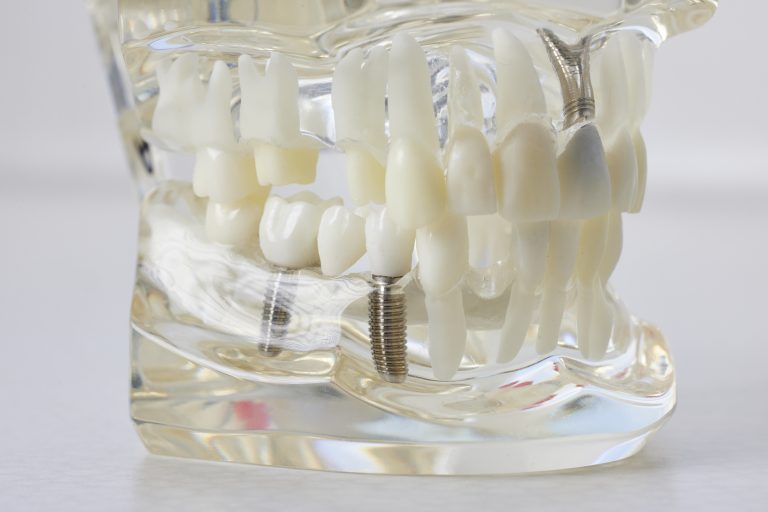
Implants don’t require “special” care in the sense of complex routines. However, they do need consistent, thorough daily cleaning — just like natural teeth, perhaps even more diligently. The titanium post itself can’t get cavities. But the surrounding gum tissue can develop infection (peri-implantitis) if not properly maintained.
Why Implant Care Matters
Without proper care, complications such as peri-implantitis can develop. Peri-implantitis — a bacterial infection around the implant — is the primary concern. Without proper care, it can cause gum inflammation, bone loss, and eventually implant failure.
Research shows peri-implantitis affects around 19.5% of patients who don’t maintain proper oral hygiene. The good news? With consistent care, 96.4% of implants survive at 10 years. It can often be prevented with daily cleaning and regular professional check-ups.
Understanding Implant Maintenance Requirements
If you’ve had dentures before, you’ll find implants much simpler to manage. There are no removable parts to soak overnight or adhesives to apply each morning.
Your implant functions like a natural tooth. You brush it, floss around it, and rinse — that’s the core routine. It’s manageable and becomes second nature within a few weeks. Many patients barely think about it after the initial adjustment period.
What Makes Implant Care Different
Unlike natural teeth, implants don’t have enamel to protect them from abrasion. This is why soft-bristle brushes and non-abrasive toothpaste matter — harsh products can scratch the surface.
Your gum tissue is the primary line of defence. Keeping it healthy protects the bone integration that holds your implant secure. The focus shifts from preventing cavities (which implants can’t get) to maintaining healthy gums and strong bone support.
Daily Cleaning Routine: What Your Implants Need
For Melbourne patients with implants, your core daily routine involves brushing twice with a soft-bristle brush, flossing once with implant-appropriate tools, and rinsing with alcohol-free antibacterial mouthwash. Sound familiar? It’s similar to caring for natural teeth. The key difference is consistency — implants rely on healthy gums and bone, so thorough daily cleaning is critical.
Morning and Evening: The Essential Routine
Brush for two minutes, twice daily — preferably after meals. Use a soft-bristle manual or electric toothbrush with non-abrasive fluoride toothpaste. Focus on the gumline where the implant meets the tissue, using light circular motions. Avoid scrubbing hard, as this can irritate the gums.
Next, floss once daily. Unwaxed floss or implant-specific floss works well for many patients. Floss threaders help access tight spaces, while interdental brushes clean gaps between implants and natural teeth. Many patients find water flossers helpful — particularly for reaching areas traditional floss can miss.
Finally, use an alcohol-free antibacterial mouthwash. Your dentist may recommend a chlorhexidine rinse in the short term after placement, though long-term use can cause staining.
Choosing the Right Products for Implants
Not all dental products suit implants. Abrasive toothpastes — including some whitening formulas — can scratch the implant surface. Hard-bristle brushes may damage gum tissue. Metal cleaning tools can scratch titanium.
Your dentist can recommend products appropriate for your individual needs. Here’s a general guide:
Daily Implant Care Checklist
| Task | Frequency | Recommended Products | Notes |
| Brushing | Twice daily (2 mins) | Soft-bristle brush, non-abrasive fluoride toothpaste | Gumline focus, light circular motions |
| Flossing | Once daily | Unwaxed floss, implant-specific floss, floss threaders | Thorough but careful around implant sites |
| Rinsing | Once or twice daily | Alcohol-free antibacterial mouthwash | Chlorhexidine short-term only; saltwater as alternative |
| Interdental cleaning | Once daily | Interdental brushes, water flosser | Especially important for multiple implants |
Products: Recommended vs. Avoid
| Product Category | Recommended | Avoid | Why |
| Toothbrush | Soft-bristle manual or electric | Hard-bristle brushes | Gum irritation and increased recession risk |
| Toothpaste | Non-abrasive fluoride toothpaste | Abrasive whitening, baking soda-heavy formulas | Surface scratching from abrasive particles |
| Floss | Unwaxed floss, implant-specific floss, floss threaders | Skipping flossing entirely | Plaque build-up in areas that brushing cannot reach |
| Mouthwash | Alcohol-free antibacterial rinse | Alcohol-based mouthwash (long-term) | Oral tissue dryness and gum irritation |
| Cleaning tools | Interdental brushes, water flossers, plastic scalers | Metal picks or scrapers | Titanium surface scratching and structural damage |
Special Considerations for All-on-4 and Full Arch Implants
Many Melbourne patients with All-on-4 and full arch implants find they require extra attention. Unlike single implants, they feature a bridge that sits above the gumline. Food and bacteria can accumulate underneath.
Water flossers are particularly useful here — they flush debris from beneath the bridge where traditional floss can’t reach. Interdental brushes also help clean around each implant post. Your dentist may recommend specific tools based on your arch design.
Professional Care and Regular Check-Ups
Professional cleanings every 3-6 months are recommended for implant longevity. Your dentist uses special instruments designed to clean without damaging the implant surface. These appointments also allow early detection of complications — like peri-implantitis or bone loss — that you might not notice at home.
What to Expect at Your Implant Check-Up
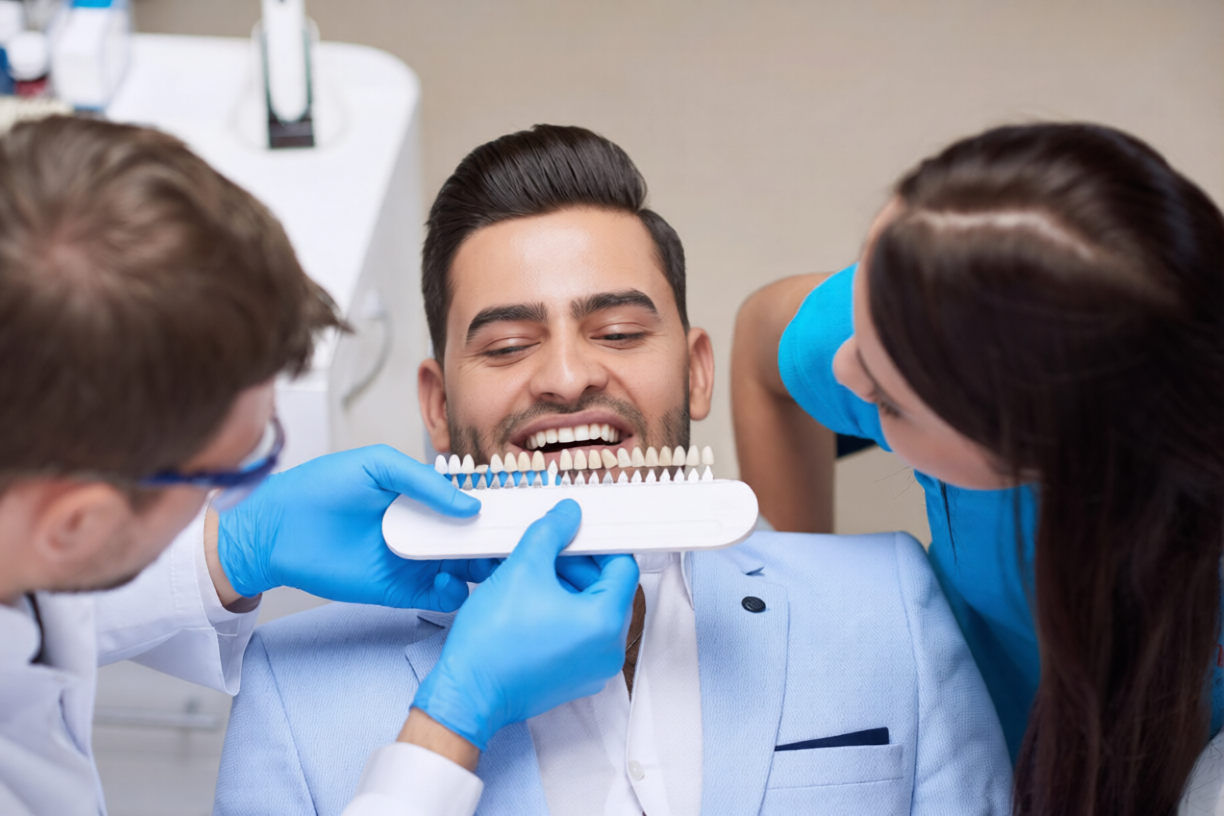
During a maintenance appointment, your dentist will visually examine the implant, gums, and surrounding teeth. They’ll measure probing depths around the implant to check for gum pocket changes. Professional cleaning is done with implant-appropriate tools — such as plastic or titanium scalers and EMS Airflow — rather than metal instruments that could scratch the surface.
X-rays are usually taken every 1-2 years to monitor bone levels and confirm the implant remains securely integrated. If needed, your dentist may adjust the crown for a more comfortable bite.
Implant Check-Up Schedule
| Timeframe | What Happens |
| Initial 3 months | More frequent visits to monitor healing and integration |
| Every 6 months | Standard maintenance: examination, cleaning, probing depths |
| Annually | Comprehensive review, X-rays to assess bone levels |
| As needed | Address any concerns: discomfort, looseness, gum changes |
How Often Should Melbourne Patients See Their Dentist?
Many patients benefit from check-ups every six months. However, your dentist may recommend visits every 3-4 months if you’re in the early healing phase or have higher risk factors like gum disease history or smoking.
Many Melbourne health funds cover preventive dental visits — it’s worth checking your policy for implant maintenance inclusions.
Warning Signs: When to Contact Your Dentist Promptly
Don’t wait for your next scheduled visit if you notice any of these symptoms:
- Pain or tenderness around the implant
- Swelling or redness of gums
- Bleeding when brushing or flossing
- The implant feels loose or wobbly
- Visible recession of gum tissue
- Discharge or pus around the implant site
- Difficulty chewing or biting
- Changes in how the crown fits with other teeth
Early intervention can help address issues before they progress. Contact your dentist promptly if something doesn’t feel right.
Lifestyle Factors That Affect Implant Longevity
Your daily habits beyond cleaning significantly impact how long your implants last. Smoking, diet, teeth grinding, and overall health conditions can either support or compromise implant success. Understanding these factors puts you in control — small adjustments to your lifestyle can make a meaningful difference to your implant’s longevity.
Smoking: The Biggest Risk Factor for Implant Failure
Smoking is the most significant lifestyle risk factor. Studies show smokers face 159% higher early failure risk and 2.4 times higher overall failure risk.
Why such a difference? Tobacco reduces blood flow to the gums, which affects healing and bone integration. It also increases infection risk around implant sites.
Quitting isn’t a requirement — but it significantly improves outcomes. If you’re considering implants and currently smoke, discuss this with your dentist.
Foods and Habits That Support (or Harm) Your Implants
In the weeks following placement, avoid hard foods like nuts, ice, and hard candy. These can stress the implant before it fully integrates.
Long-term, limit sugary and acidic foods that promote bacteria growth. Stay hydrated — saliva helps wash away food particles and bacteria. Foods rich in calcium and vitamin D support the bone health your implants depend on.
Managing Teeth Grinding and Bite Force
Teeth grinding (bruxism) places excessive pressure on implants and can damage crowns over time. If you grind your teeth — particularly at night — your dentist may recommend a night guard to protect your investment.
Stress management techniques can also help reduce grinding. Many patients don’t realise they grind until their dentist spots the signs.
Health Conditions Melbourne Patients Should Discuss
Certain health conditions can affect implant outcomes. Many patients with well-controlled diabetes are suitable candidates following assessment. Excessive alcohol consumption can weaken bone density and slow healing.
Existing gum disease should be addressed before implant placement to prevent bacteria spread. Maintaining your natural teeth also protects your implants from infection.
These factors should be discussed during your consultation. Your dentist will work with your medical team to provide appropriate care based on your individual health needs.
FAQs
Can I use my regular toothbrush on dental implants?
Yes, you can use your regular toothbrush — provided it’s soft-bristle. Electric toothbrushes work well if used carefully. Replace your brush head every three months to maintain effectiveness. Some patients prefer manual brushes for better control around implant sites.
Do I need special toothpaste for dental implants?
No, you don’t need implant-specific toothpaste. However, avoid abrasive formulas like whitening toothpaste, smoker’s toothpaste, or baking soda-heavy brands — these can scratch the implant surface. A mild fluoride toothpaste works well for many patients. Ask your dentist for recommendations based on your individual needs.
How long do dental implants last with proper care?
With consistent care and regular check-ups, many implants can remain functional for 15+ years. Research shows 94% survival at 15 years and 78-92% at 20 years. The titanium post is designed to be very long-lasting, though the crown may need replacement after 10-20 years due to normal wear. Individual factors like oral hygiene, lifestyle habits, and overall health affect longevity.
Can dental implants get infected years after placement?
Yes, implants can become infected years after placement. Peri-implantitis — a bacterial infection around the implant — can develop at any time without proper care. It’s similar to gum disease affecting natural teeth, and warning signs include bleeding, swelling, pain, and any feeling of looseness. Good daily hygiene and regular professional check-ups help prevent this.
Do I need a water flosser for dental implants?
No, a water flosser isn’t essential — but it’s highly recommended, especially for All-on-4 or multiple implants. It helps clean areas that regular floss can’t easily reach, particularly under bridges. Use it as a supplement to flossing, not a replacement. Wait at least two weeks post-surgery before using one (six months for zygomatic implants).
FAQs
Can your body reject a dental implant?
True “rejection” — like with organ transplants — doesn’t occur because titanium is biocompatible. What people often call rejection is actually failed osseointegration, where the bone doesn’t fuse properly with the implant. Titanium allergies are extremely rare, though if you have a history of metal sensitivity, mention this during your consultation — zirconia implants may be an alternative.
How long does it take to know if an implant failed?
Early failure usually becomes apparent within 3-6 months during osseointegration. Late failure can occur months or years later, often due to peri-implantitis. Regular check-ups help identify problems early, which is why attending scheduled appointments matters even when everything feels fine.
What happens if my dental implant gets infected?
If your dental implant becomes infected, treatment depends on timing and severity. Minor infections may respond to antibiotics, while peri-implantitis requires professional cleaning or surgical treatment. In severe cases, removal may be necessary — though studies suggest replacement implants can achieve success rates around 90%.
Can I get dental implants if I smoke?
Smoking doesn’t automatically disqualify you, but it significantly increases your risk — failure rates can reach 20% in smokers compared to 5-10% in non-smokers. Quitting at least two weeks before surgery and avoiding smoking during healing improves your chances. Be honest with your dentist so they can plan appropriately.
How do I know if my dental implant is failing?
Signs your implant may be failing include persistent pain, swelling that doesn’t subside, the implant feeling loose, bleeding gums, bad breath, pus or discharge, and gum recession exposing threads. If you notice any of these, contact your dentist promptly — early intervention may improve outcomes.
Final Thoughts
Dental implants don’t require complex special care — but they do require consistent daily attention and professional monitoring. Your daily habits play an important role in supporting implant health and longevity. Individual outcomes vary based on multiple factors, including oral hygiene, lifestyle, and overall health.
If you’re new to implants, there’s a short learning curve. Within a few weeks, brushing, flossing, and rinsing around your implants becomes second nature. These simple routines can support implant function for many years. Individual outcomes vary.
At The Dental Co., we’re here to support your implant care journey. Whether you’re considering implants or need a maintenance check-up, we’d love to help. Book a consultation or implant maintenance appointment to discuss your individual needs with our Melbourne team.
Individual results vary based on oral health, lifestyle factors, and adherence to care recommendations. This information is general in nature. For advice specific to your situation, please book a consultation with Dr. Justtin Daniels at The Dental Co.
Reviewed by Dr. Justtin Daniels, Dentist (General Registration) | AHPRA Registration: DEN0001779717 | Advanced training in dental implantology through the International Congress of Oral Implantologists and Australasian Implant Academy