Options for Tooth Replacement
Quality Dental Implants in South Yarra
Problems with Missing Teeth?
A missing tooth can do more than leave a gap in your smile—it may affect how you eat, speak, and connect with others. Even one gap from a missing tooth can place additional pressure on nearby teeth and gradually alter your bite.
Dental implants in South Yarra may be considered as one treatment option for tooth replacement, depending on the result of individual assessment and suitability.
Comprehensive Dental Implant Care
Dental implant care is a step-by-step treatment that starts well before placement. It begins with a thorough assessment and includes imaging, planning, and preparation tailored to your needs.
Regular reviews and post-treatment guidance play an important role in supporting long-term function. Each treatment phase is carefully managed to support your understanding and comfort throughout the process.
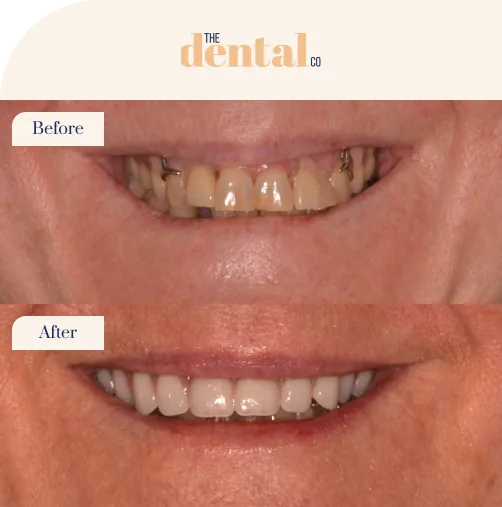
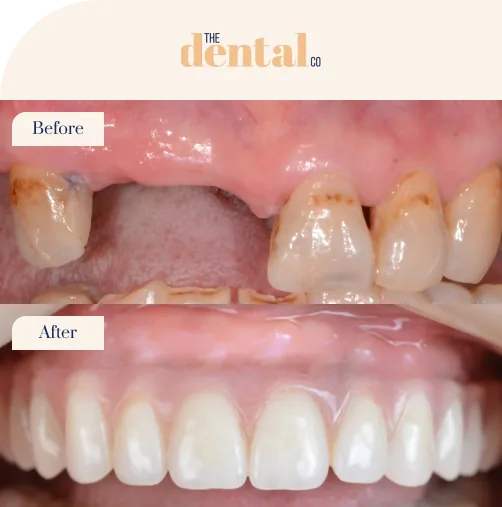
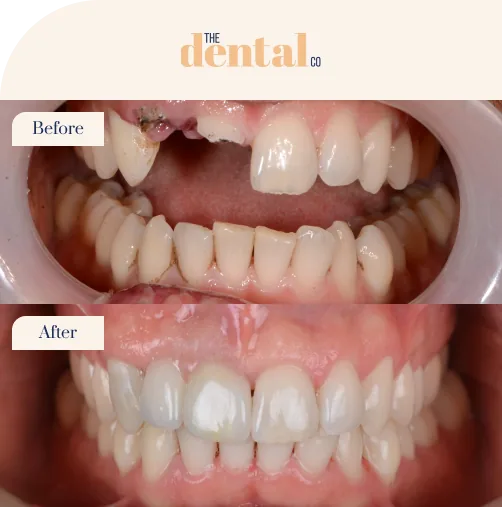
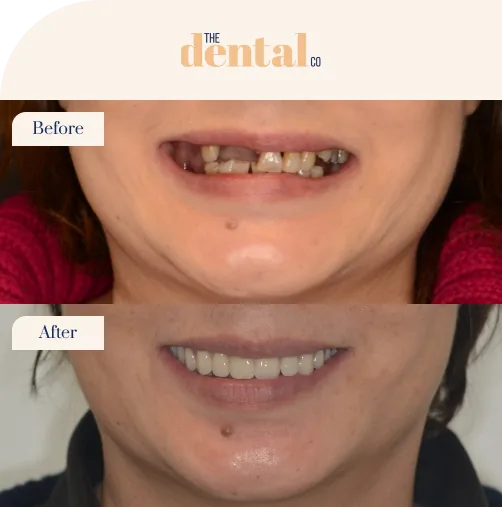
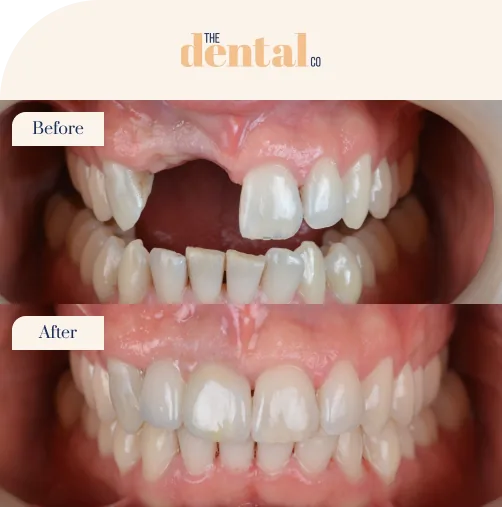
Before & After
The Impact of Dental Implants


*Theses image display actual patients of our clinic. Every case is different, and treatment outcomes can vary according to individual conditions and needs.
The Dental Implant Process
Consultation and Assessment
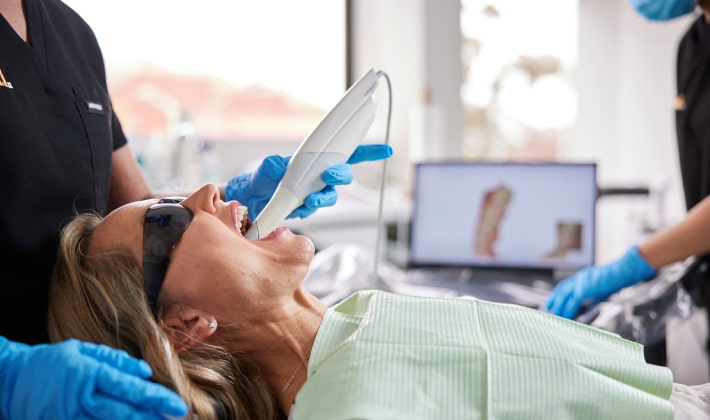
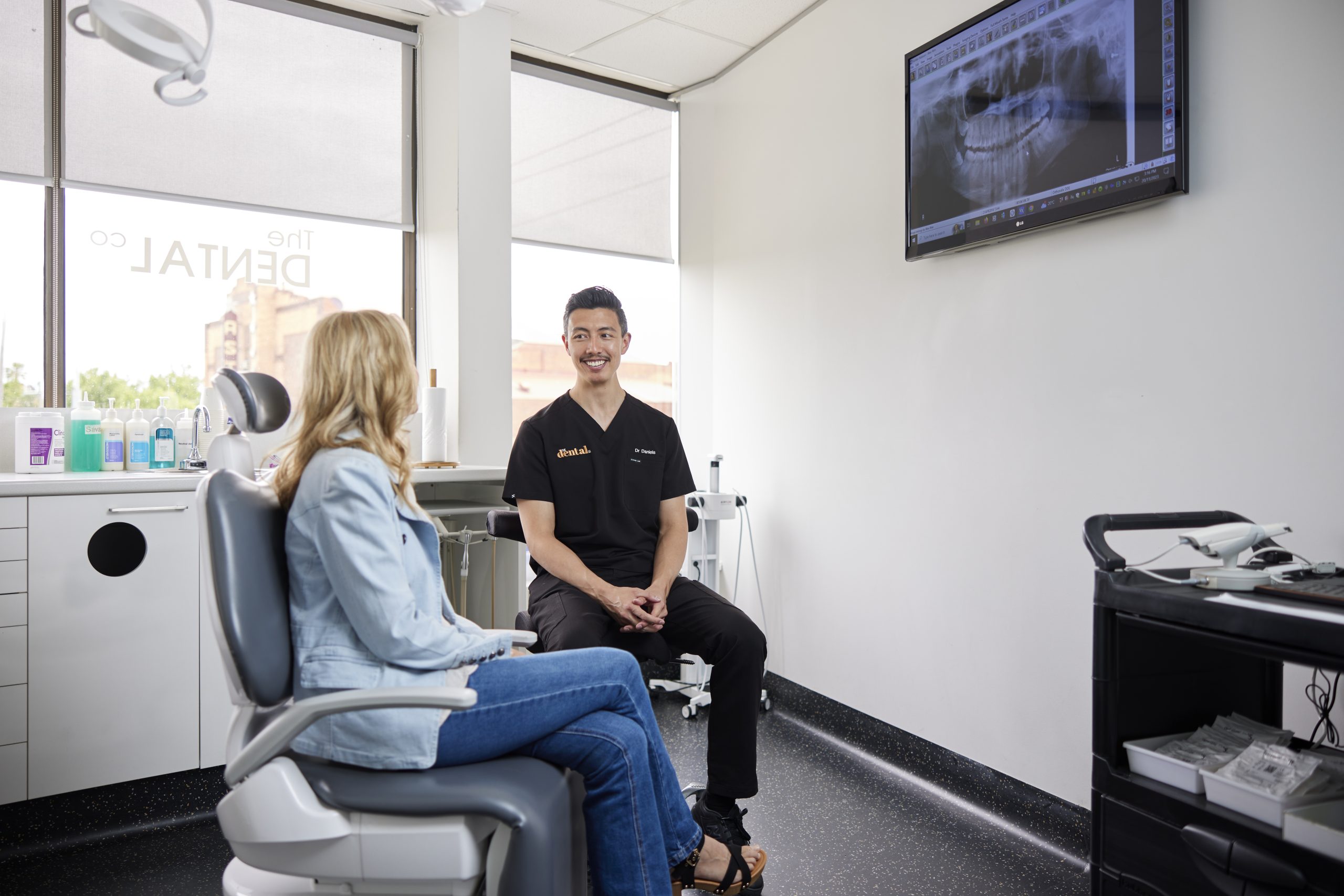
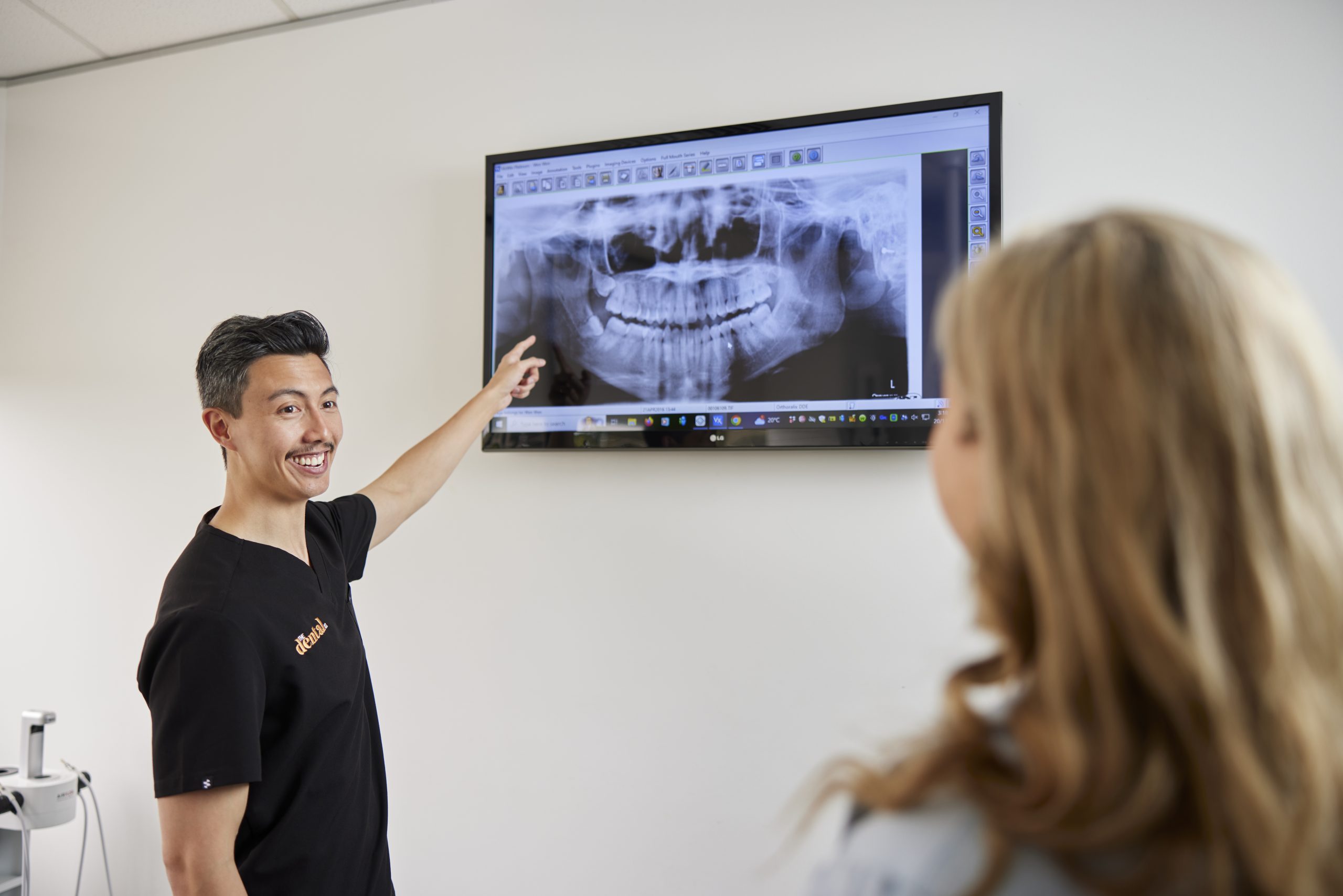
Your first appointment involves a detailed discussion, oral examination, and diagnostic imaging. This helps determine whether dental implants are suitable for your needs. It also allows your dentist to plan each stage of your treatment with your comfort, timing, and oral health in mind.
Personalised Treatment Plan
Your dental implant plan is tailored to your oral condition, bone structure, and timing preferences. It outlines each stage—from surgical preparation to follow-up—so you understand what’s involved and how the process aligns with your overall dental health.
Preparatory Procedures (If Needed)
Some patients may need procedures like bone grafting or a sinus lift before implant placement. These help create a strong foundation for the implant and are recommended based on your oral health assessment during the initial consultation with your dentist.
Implant Placement
The dental implant is placed into the jawbone under local anaesthetic. A healing period follows, allowing the implant to fuse with the bone and create a stable foundation for the replacement tooth.
Healing and Integration
Over the following weeks or months, the implant gradually fuses with the surrounding bone. This process, known as osseointegration, is important for achieving long-term function and comfort before proceeding to the final tooth restoration.
Restoration
A carefully designed crown, bridge, or denture is placed onto the implant once healing is complete. Restorations are fabricated to match your surrounding teeth in shape and shade, supporting a balanced bite and beautiful smile.
Follow-Up and Maintenance
Regular check-ups help monitor how the implant is functioning over time. Consistent care, including proper oral hygiene maintenance and professional cleaning, supports the surrounding tissues and contributes to the long-term success of your dental implant.
Why Choose The Dental Co. for Your Dental Implants?
Skills and Experience
Innovative Treatments
Personalised Approach
Focus on Quality
Patients’ Trusted Choice
Our Melbourne-based team combines years of experience with advanced dental care to provide quality implant treatments. We prioritise your comfort, using modern techniques for long-lasting, natural-looking results that suit your lifestyle and restore your confidence in every smile.
Contact Us to Transform Your Smile
Meet the Team
Dentists
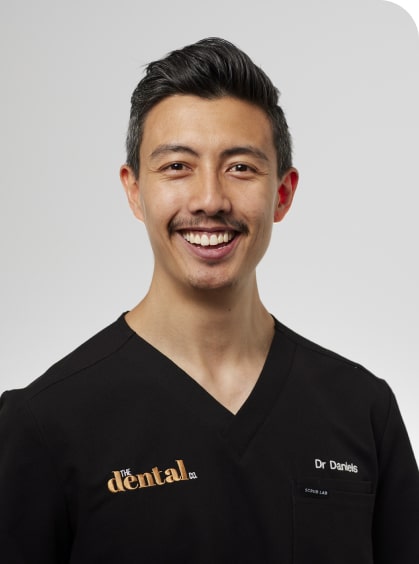
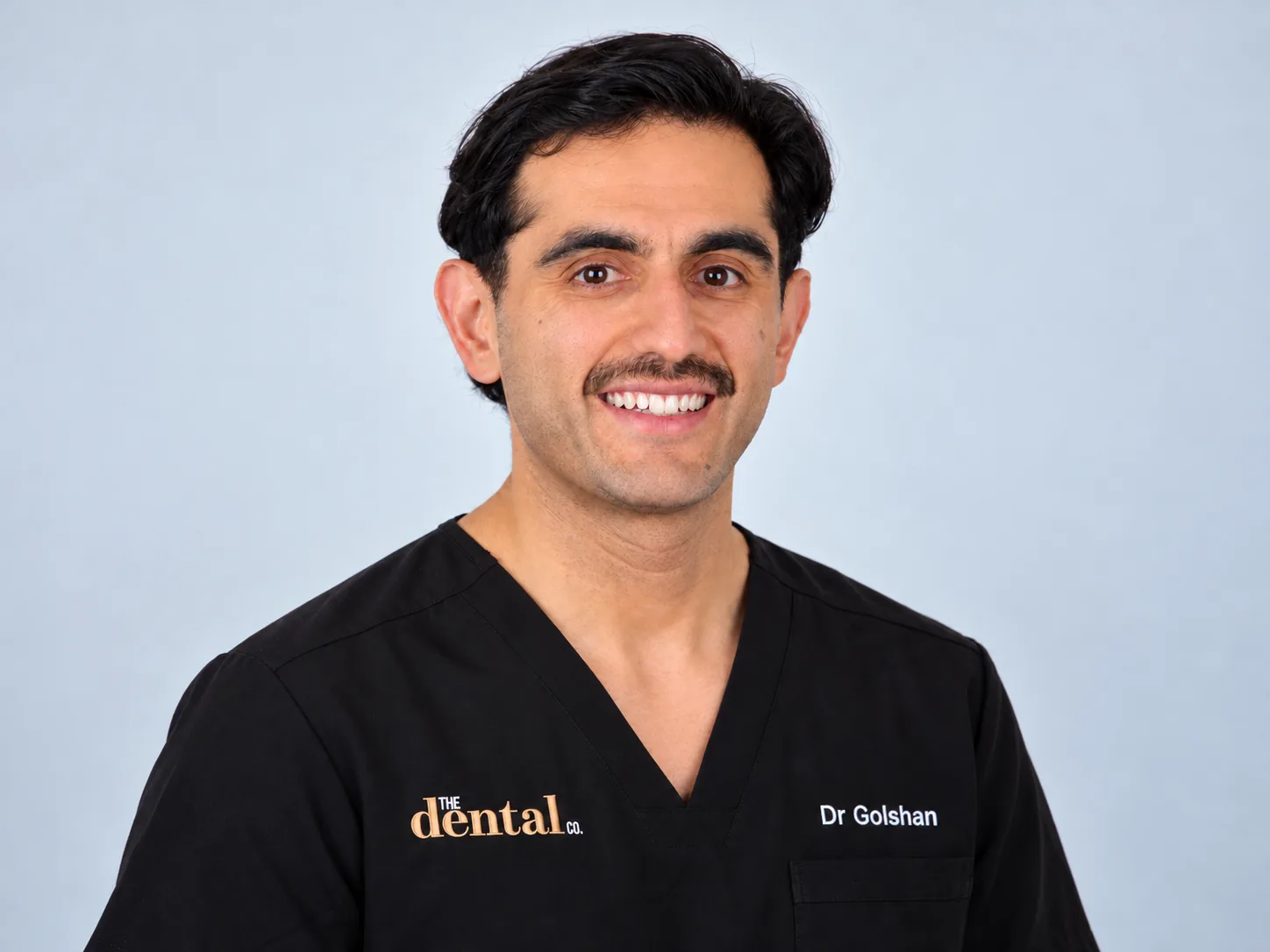
- Fellow of the International Congress of Oral Implantologists (FICOI).
- Completed a fellowship program with the Australasian Implant Academy (AIA)
- 10 years of dental implant experience
- Performed over a thousand successful implant placements, ranging from single-tooth implants to full-arch restorations
- Member of the Australian Dental Association (ADA)
- Regularly engaged in local implant study groups to stay updated with the latest advancements and techniques in implant dentistry
Oral Hygienists & Oral Health Therapists
Our oral hygienists and oral health therapists at The Dental Co. play a crucial role in maintaining your oral health. They provide essential preventative care, including cleanings, guided biofilm therapy, remineralisation of teeth, and oral health education. They work closely with dentists and focus on patient education and early detection of dental issues. Our dedicated oral hygienists and oral health therapists work to provide you with comprehensive care tailored to your specific needs.
Dental Implant Costs in Melbourne
Transparent Pricing for Patients
Single Tooth Implants: From $5,000
All-on-4 Full Arch Restorations: From $25,000
Please note that the prices listed above are general estimates and may vary depending on your specific oral health condition, required preparatory procedures, and the complexity of your case. A personalised consultation is recommended to assess your suitability and provide an accurate cost based on your individual needs.
Health Fund Cover
The Dental Co. works with all major Australian health funds. As a Melbourne provider, we offer on-the-spot claiming with HICAPS for immediate rebates. Our Melbourne team can provide a personalised quote before treatment begins.
Payment Options
Payment Plan Benefits For Patients
Affordability
Transparent Pricing
Customised Options
Easy Application Process
Our Payment Plan Process
Initial Consultation
Our experienced team will evaluate your dental needs, provide an estimated cost and offer a range of payment plans.
Application Submission
With support from our staff, you can easily submit your payment plan application, either online or in our office.
Approval
Once you apply, our team expedites the approval process, allowing you to start your treatment immediately.
Customisable Payment Terms
Select a payment schedule that fits your financial situation, from short-term to extended plans for larger treatments.
Convenient Payment Setup
Enjoy the convenience of automatic payments, which simplify the process and keep your plan on track.
Visiting Our Melbourne Implant Clinic
Convenient Chapel Street Location
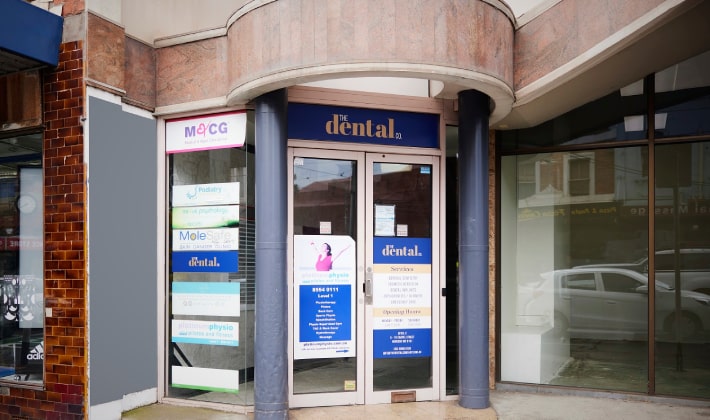
Our Level 2, 6-10 Chapel Street location in Windsor places us in the heart of Melbourne’s vibrant Chapel Street precinct. This central location makes it easy for local patients to visit, with convenient access to transport, parking, and nearby amenities.
Public Transport
- Tram: Route 78 stops directly outside our clinic (Stop 46)
- Train: Windsor Station (Sandringham Line) is a 3-minute walk from our entrance
- Bus: Routes 246 and 603 stop within 1.4 km of our clinic
Parking Options
- On-site: Limited patient parking available behind our building
- Street: 2-hour metered parking on Chapel Street
- Nearby: Windsor Place Car Park offers all-day parking at reduced rates for our patients
Frequently Asked Questions
Get answers to commonly asked questions about dental implants at The Dental Co..
What are dental implants, and how do they work?
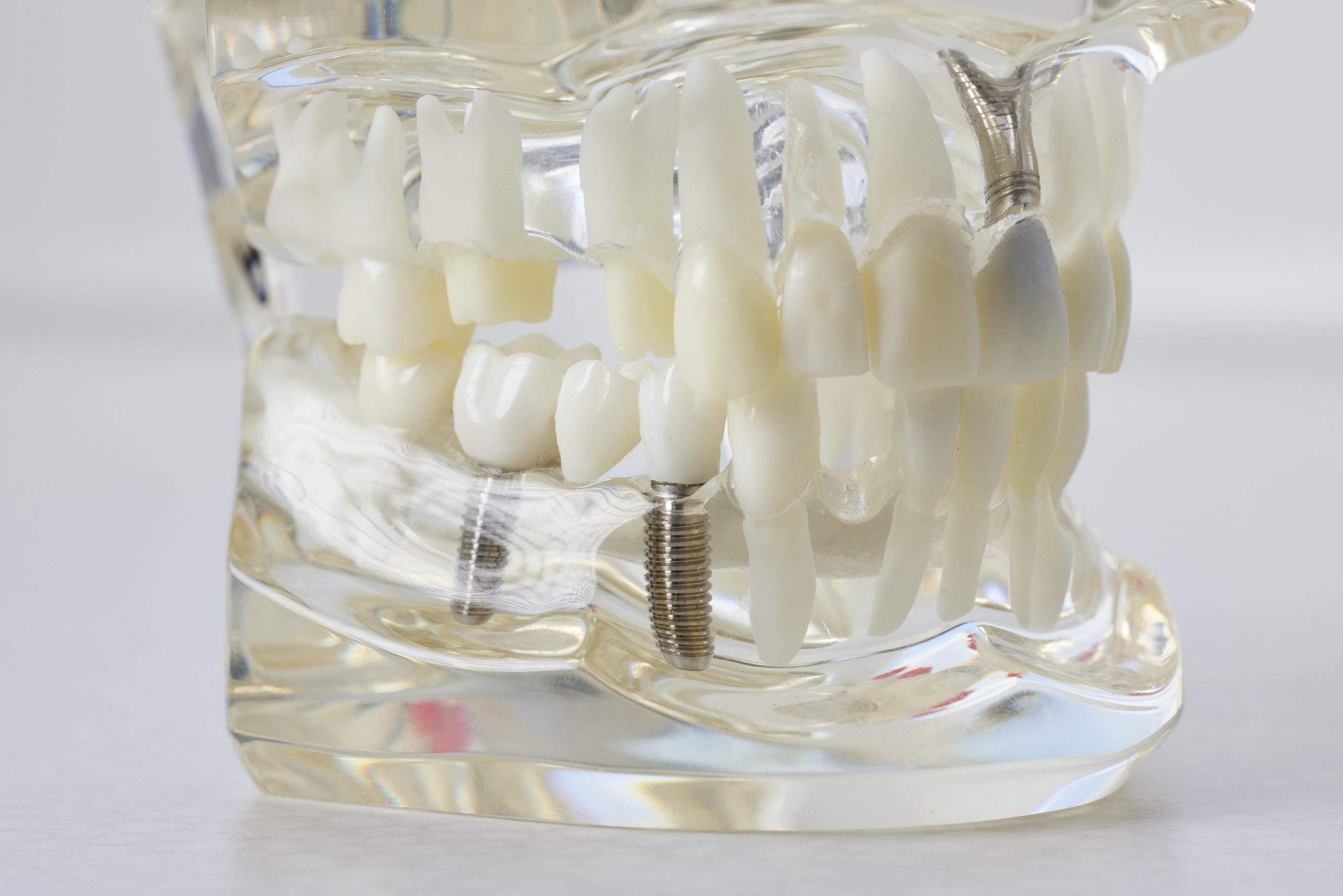
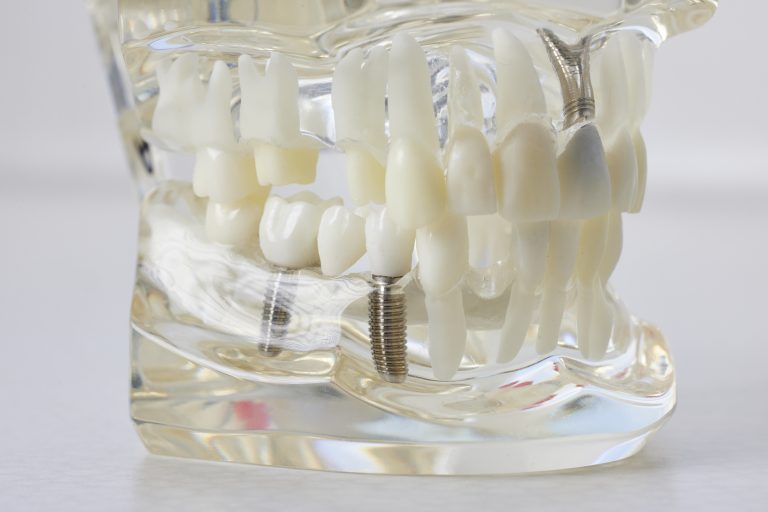
Dental implants are titanium posts placed into the jawbone, designed to act as a foundation for missing teeth replacements. Positioned under the gumline, they anchor into the bone as osseointegration occurs over the healing period. This fusion helps provide stability—similar to a natural tooth root.
Following recovery, the implant is topped with a custom-made crown, bridge, or denture. This connection allows you to bite and speak more comfortably compared to removable options. As a fixed tooth replacement, dental implants are commonly chosen over traditional removable options.
Dental implant treatments are performed by a registered dental practitioner as part of a surgical procedure. Suitability depends on individual clinical assessment.
Are dental implant procedures painful?
Local anaesthetic is commonly used to manage discomfort during the dental implant procedure. Experiences vary between patients, and your dentist will discuss pain management and recovery expectations prior to treatment.
Some discomfort, swelling, or slight bruising may develop after the procedure, which is a typical part of the healing process. These effects typically subside within several days and can often be managed with over-the-counter medicine and simple home care measures. Your dentist will provide tailored aftercare advice and review your progress during follow-up appointments to support a comfortable recovery.
How do dental implants compare to traditional options like bridges and dentures?
When considering ways for missing teeth replacement, patients often compare the differences between dental implants, bridges, and dentures. Each option has unique features, benefits, and considerations, and the appropriate choice depends on your oral health and lifestyle.
| Dental Implants | Bridges | Dentures |
| Embedded into the jawbone to act as a tooth root | Anchored to adjacent teeth with crowns | Removable appliance supported by the gums |
| Independent of surrounding teeth | Requires reshaping of adjacent teeth | Minimal to no alteration to neighbouring teeth |
| Fixed within the bone for a secure feel | Fixed but relies on support from nearby teeth | May move slightly during eating or speaking |
| Intended for long-term function with consistent care and regular dental support | Typically functions for many years before replacement | May need relining or replacement over time |
| Designed to blend with the surrounding teeth | Designed to match surrounding teeth, though differences may show | Modern designs can resemble teeth but remain removable |
| Feels stable when chewing and speaking | Stable, but pressure on support teeth is possible | May cause gum irritation during initial adjustment |
| Cleaned with regular brushing and flossing | Professional cleaning and the use of oral irrigators and floss are needed to clean beneath the bridge. | Removed daily for cleaning and soaking |
Each option has different benefits and considerations. Your dentist can explain which approach may be most appropriate for your oral health and goals.
Who is a suitable candidate for dental implants?
Dental implants in South Yarra can be considered for many adults who wish to replace missing teeth, but suitability depends on individual circumstances. Only a qualified practitioner can determine suitability for dental implants after a full clinical examination and imaging assessment.
You may be considered a candidate if:
- You have one or more missing teeth and prefer a fixed option rather than a removable appliance.
- Your jawbone has enough volume and density to hold the implant securely in place. In cases where bone is insufficient, additional procedures may be suggested.
- Your gums are in good condition, as healthy soft tissues are important for supporting the implant and surrounding structures.
- You are in overall good health, without medical conditions that significantly reduce your ability to heal after surgery.
- You do not smoke heavily, since smoking can interfere with healing and affect how well the implant fuses with bone.
- You maintain consistent oral hygiene habits and attend regular dental appointments to help support the long-term success of the implant.
- You have realistic expectations about the process, including the time required for healing and the need for regular care.
A dental implant consultation in South Yarra may help determine if dental implants are suitable for you.
How long does the dental implant process usually take?
The dental implant process is completed in phases, and the duration of the treatment varies depending on your oral health, healing response, and whether additional procedures are required.
The phases of treatment include:
- Initial consultation and assessment:
This phase involves examinations, diagnostic imaging, and treatment planning, which are usually completed in one or two appointments. - Preparatory procedures (if required):
Some patients may need additional steps, such as bone grafting, which can extend the treatment timeline by several weeks to a few months. - Implant placement surgery:
The implant is placed into the jawbone during a surgical appointment, and healing begins immediately afterwards. - Healing and integration:
The implant fuses with the surrounding bone through a process called osseointegration, which typically takes three to six months. - Attachment of the restoration:
A crown, bridge, or denture is attached once healing is complete, usually requiring a few additional visits.
In most cases, the entire process typically takes between four and nine months, although the exact timeline varies for each individual. Your dentist will provide an estimate after a detailed assessment.
How long do dental implants last?
The lifespan of dental implants varies from individual to individual. With proper care and regular dental reviews, implants can continue to function well for many years, and in some cases, considerably longer. Their longevity depends on oral health and maintenance.
Factors that may influence longevity include:
- The quality and density of the jawbone determine how securely the implant fuses with the bone.
- Daily oral hygiene habits, such as brushing, flossing, and professional dental cleanings, help reduce the risk of complications.
- Regular dental reviews are important since continuous monitoring allows potential concerns to be identified and addressed early.
- General health conditions, such as diabetes or immune-related disorders, may affect healing and stability.
- Lifestyle factors, like smoking, can impair bone healing and may compromise the performance of dental implants.
- Oral habits, such as teeth grinding or clenching, can place additional stress on the implant and surrounding tissues.
Although implants are regarded as a durable option for missing teeth replacement, their performance depends on factors such as daily care and ongoing support.
How do I care for my dental implants?
Caring for dental implants involves maintaining daily cleaning habits and attending regular dental check-ups. The following practices support both the implant and the surrounding oral tissues:
Recommended care includes the following:
- Brush your teeth with a soft-bristle toothbrush and a low-abrasive toothpaste to keep the implant area clean.
- Floss once daily or use interdental brushes to reduce plaque from around the implant and between the teeth.
- Attend regular dental check-ups so your dentist can monitor the implant and overall oral health.
- Schedule professional cleaning appointments, as the dentist can remove plaque and tartar that cannot be managed at home.
- Avoid smoking, since it can interfere with healing, bone quality, and the long-term stability of implants.
- If you grind or clench your teeth, inform your dentist for proper management to prevent implant failure.
With consistent care at home and continuous professional support, implants can remain a dependable part of your daily life.
What are the risks or complications associated with dental implants?
Dental implant procedures are commonly performed, but as with any form of surgery, complications can occasionally occur. Individual health factors, bone quality, and ongoing oral care influence these risks.
The following are possible risks and complications to consider:
- An infection may develop at the implant site if bacteria enter the surgical area.
- Nerve impingement may occur, causing temporary tingling, numbness, or discomfort in nearby teeth, gums, lips, or the chin.
- In some instances, upper jaw implants may perforate into the sinus cavity, potentially causing complications.
- The implant may not fuse fully with the bone, which can reduce stability and function.
- Gum inflammation can develop around the implant, potentially progressing into a condition called peri-implantitis if left unaddressed.
- Mechanical issues may occur, such as loosening of the implant or wear on the attached crown, bridge, or denture.
Although complications are uncommon, regular follow-up appointments and consistent oral hygiene practices can help reduce risks and support the ongoing performance of your implant.
How much do dental implants cost?
The cost of dental implants in South Yarra varies because every treatment plan is unique to the individual. Several factors influence the total cost. These include the number of teeth replaced, the type of restoration, whether additional procedures are necessary, and diagnostic imaging for planning purposes. Materials and laboratory work also influence the dental implant cost.
The following figures provide a general guide to our implant treatment pricing:
- All-on-4 Implants:
from $25,000 per jaw, including consultation, implant placement, temporary prosthesis, and final restoration. - Full Arch Implants:
from $35,000 per jaw, covering consultation, surgical placement, temporary restoration, and final prosthesis. - Multiple Tooth Implants:
from $10,000 to $30,000, which includes consultation, implant placement, abutments, and custom crowns.
Actual figures may differ from person to person, depending on individual treatment requirements. A consultation and full assessment are necessary to provide a detailed treatment plan and an accurate quote that reflects your specific needs and oral health.
Will my dental implants look and feel like natural teeth?
Dental implants are designed to function in a way that is very similar to your own teeth. The implant acts as an artificial root within the jawbone, and a crown, bridge, or denture is then attached to complete the replacement. These restorations are designed to match the colour and shape of your surrounding teeth so that they blend in with your smile.
While many people find implants comfortable and secure once they have healed, it is important to remember that no replacement is identical to a natural tooth. How they feel and perform can vary depending on your bite, bone health, and overall oral condition. Regular reviews with your dentist help to maintain their function over time.
Can dental implants be used if I have multiple missing teeth?
Implants are a viable option for patients missing several teeth. Rather than replacing each tooth separately, strategically placed multiple implants can support a number of restorations, providing both stability and efficiency.
The suitability of implants for replacing multiple missing teeth depends on several factors, including bone quality, gum health, and overall medical history. A thorough assessment, supported by imaging and dental and medical history, allows your dentist to determine whether implants are appropriate and how they may support your oral health needs.
What is the recovery time after getting dental implants?
The recovery period for patients following dental implants in South Yarra depends on their healing and oral health. Most patients experience temporary soreness or swelling that subsides over time. Healing rates vary depending on individual health, the type of procedure, and compliance with aftercare.
During recovery, it is important to:
- Adhere to the aftercare advice of your dentist, as these are designed to support healing at the implant site.
- Consume soft foods in the first few days to avoid placing unnecessary pressure on the area.
- Maintain careful oral hygiene by brushing gently and rinsing as recommended to keep the mouth clean without disturbing the surgical site.
- Avoid smoking, as it can disrupt the healing process and reduce the implant’s ability to fuse properly with the jawbone.
- Keep up with your follow-up visits so your dentist can track healing progress and manage any issues early on.
Healing takes time and can differ from person to person, depending on bone quality, general health, and any additional treatments involved. Your dentist will provide guidance throughout each stage of your recovery.

Are there any dietary restrictions after getting dental implants?
Yes, certain dietary adjustments are recommended following implant surgery to support healing and reduce strain on the surgical site. These adjustments are important during the first few days and weeks after the procedure.
Dietary guidance after implant surgery:
| Recommended Foods | Foods to Avoid |
| Soft foods such as soups, yoghurt, scrambled eggs, or mashed vegetables | Hard foods such as nuts, raw carrots, or crusty bread |
| Food with smooth texture like smoothies or porridge | Sticky foods such as toffees, lollies, or chewing gum |
| Cool or lukewarm meals and drinks | Very hot or spicy foods that may irritate the implant site |
| Hydrating options such as water and non-acidic drinks | Alcohol and excessive caffeine, which may interfere with healing |
As healing progresses, most patients can gradually return to their regular diet. Your dentist will provide individual recommendations based on your healing response and treatment plan.
Are there any medical conditions that might prevent me from getting dental implants?
Certain medical conditions and lifestyle factors can affect whether dental implants are a suitable option. A thorough consultation by a dentist and a review of your medical history are essential before any treatment decisions are made.
When assessing if dental implants are appropriate, your dentist will take the following health considerations into account:
- Uncontrolled diabetes can affect healing and may increase the risk of complications following surgery.
- Blood clotting disorders can raise the likelihood of prolonged bleeding during or after treatment.
- Conditions that weaken the immune system may reduce the body’s ability to heal or fight infection.
- Severe osteoporosis can reduce the quality and density of the jawbone, making it more difficult to support an implant.
- Heavy smoking is linked with delayed healing and a higher chance of implant-related complications.
- Medications such as long-term corticosteroids or bisphosphonates may affect bone health and influence treatment planning.
Having one of these conditions does not automatically mean implants are unsuitable. Determining your suitability for implants may involve reviewing your health history and, where appropriate, coordinating with your healthcare provider.
What should I expect during the initial consultation for dental implants?
The first consultation is an opportunity to learn whether dental implants are suitable for you and to plan the next steps in your treatment.
During this visit, you may experience the following as part of the assessment:
- You’ll be asked about your oral and general health history to help identify any considerations relevant to your care.
- The consultation includes an assessment of your teeth, gum tissues, and jawbone to determine suitability for implants.
- Diagnostic imaging, such as X-rays or scans, will be used to evaluate the quality and structure of the bones.
- This is your chance to share what you hope to achieve and get clear answers to any dental concerns.
- Your dentist may provide an outline of possible treatment options, including the stages involved, approximate timelines, and the dental implant cost.
Following your dental implant consultation in South Yarra, your dentist will create a treatment plan customised to your specific oral health goals. You’ll have the opportunity to review all details thoroughly before deciding how to proceed.
Book Your Appointment Today
Experience exceptional dental care from your trusted dentist in Windsor. Whether you need routine check-ups, advanced restorative work, or cosmetic treatments, our dedicated team is here to provide comprehensive and personalised dental services. Contact us now to schedule your consultation and take the first step towards a healthier, brighter smile.